
 1800-265-0004
 info@solarn.ca
Your Solar Partner in Ontario
Net Metering program is designed to enable Ontario homeowners, farmers and businesses to send electricity generated from their solar energy system to the province’s electricity grid for a credit towards their hydro costs.
Get Free Quote!
Why Solar in Ontario!
High Solar Potential
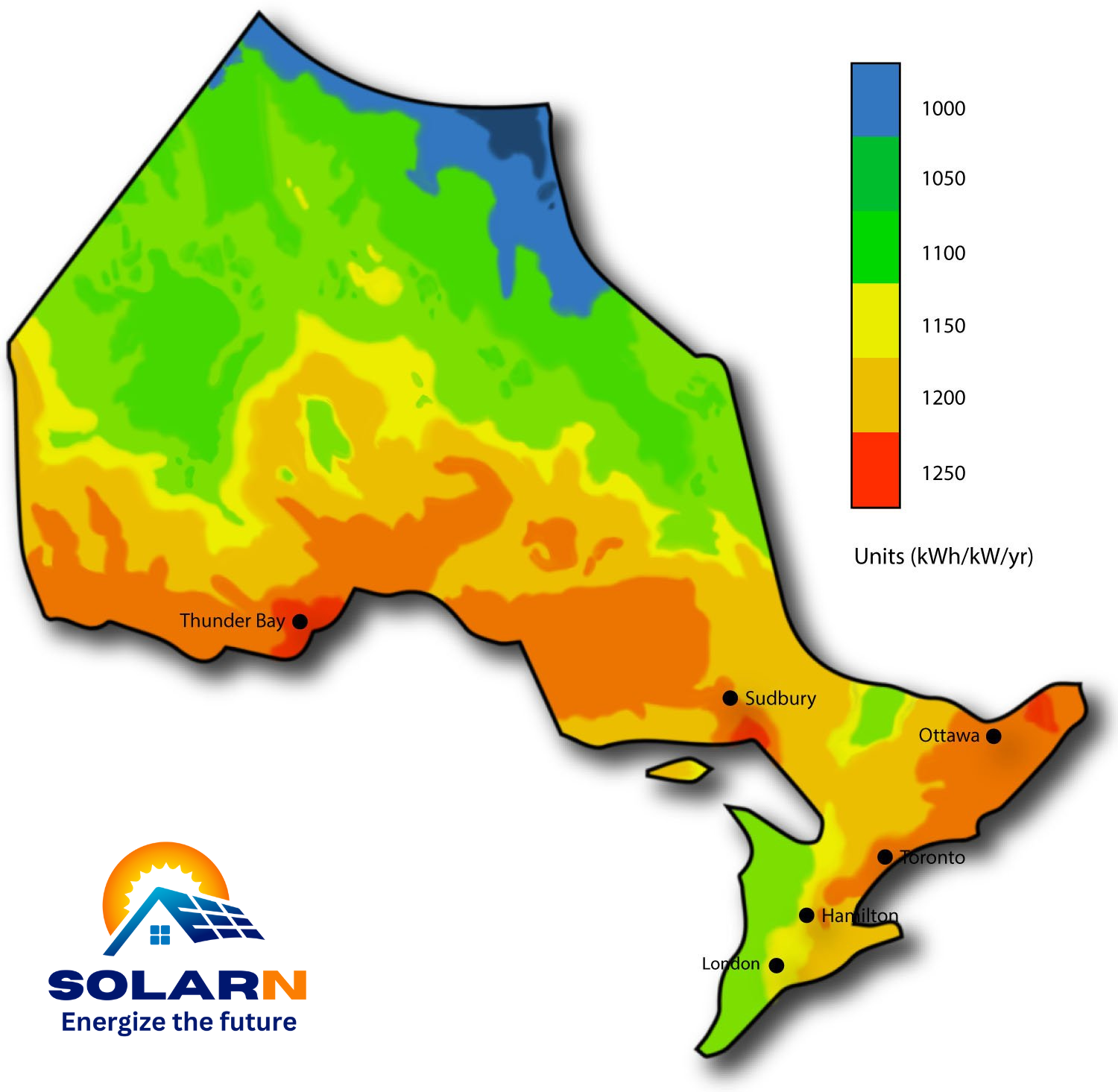
Ontario has the fifth-highest potential to produce solar energy in all of Canada, receiving more solar irradiation than most other provinces except for the prairies and Quebec!
According to data from Natural Resources Canada, the average solar system in Ontario can produce 1166kWh of electricity per kW of solar panels per year.
Rising utility rate
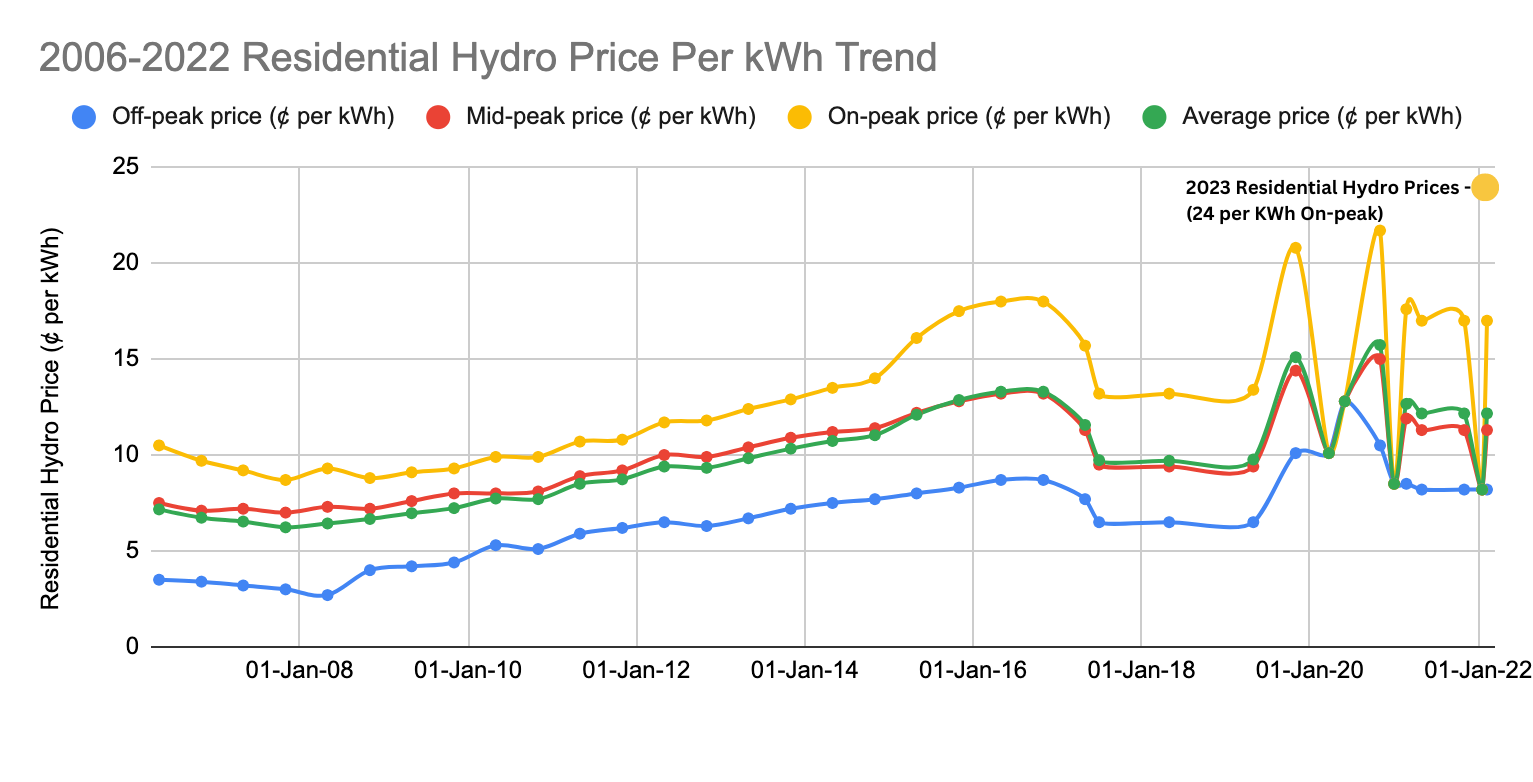
Do you know Ontario has the most sophisticated Utility rate structure compared to any other province in Canada? If it was not due to the hydro fair plan placed in 2018, Ontario’s utility rate is would be the highest in Canada. As of November of 2007 peak price is 9.2¢ per kWh and as of November of 2021 peak price is 17¢ per kWh.
Who Choose Us!
Solar-N is dedicated to provide complete solar solutions for residential, commercial and farm markets. We only use industry-leading technology which is crucial to providing a superior return on your investment. Our personalized approach creates superior customer experience. We are driven by the vision of making a difference for the environment for our kids and future generations.
It provides with enhanced cost stability driven by reduced exposure to volatile resource pricing.
The most efficient type of PV solar panel available is monocrystalline silicon panel.
Multiple solar cells are interconnected to create a module, which comprises the panel.
Solarin provides the full project’s maintenance and assistant to all clients.
Solar panel system instalation project oshawa , ontario
YSTEM Specifications
Manufacturer: Canadian Solar
Number of Panels: 43
Kilowatts: 16.55kW
Installation Date: 7/8/23
Rising utility rate
Do you know Ontario has the most sophisticated Utility rate structure compared to any other province in Canada? If it was not due to the hydro fair plan placed in 2018, Ontario’s utility rate is would be the highest in Canada. As of November of 2007 peak price is 9.2¢ per kWh and as of November of 2021 peak price is 17¢ per kWh.
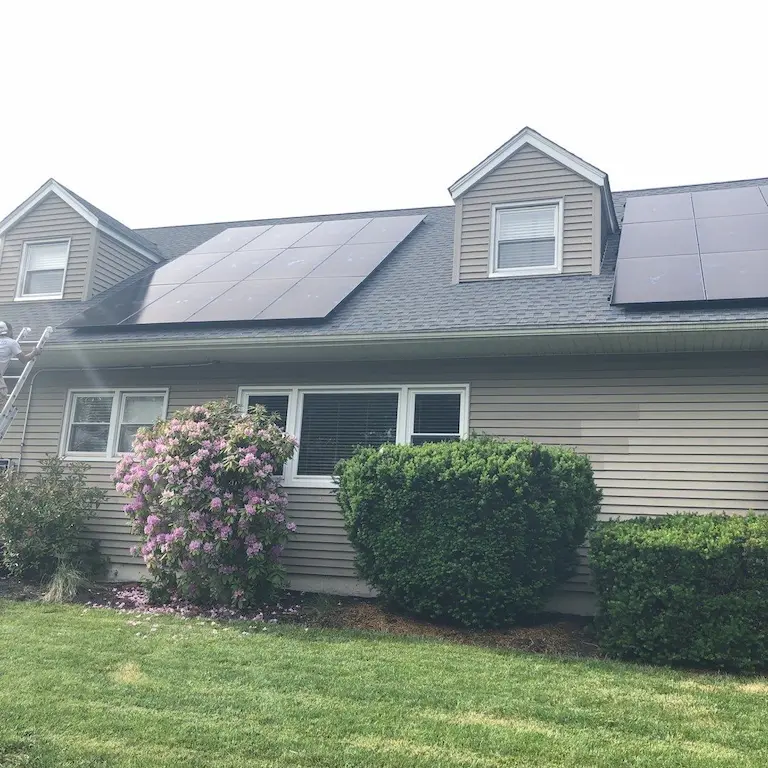
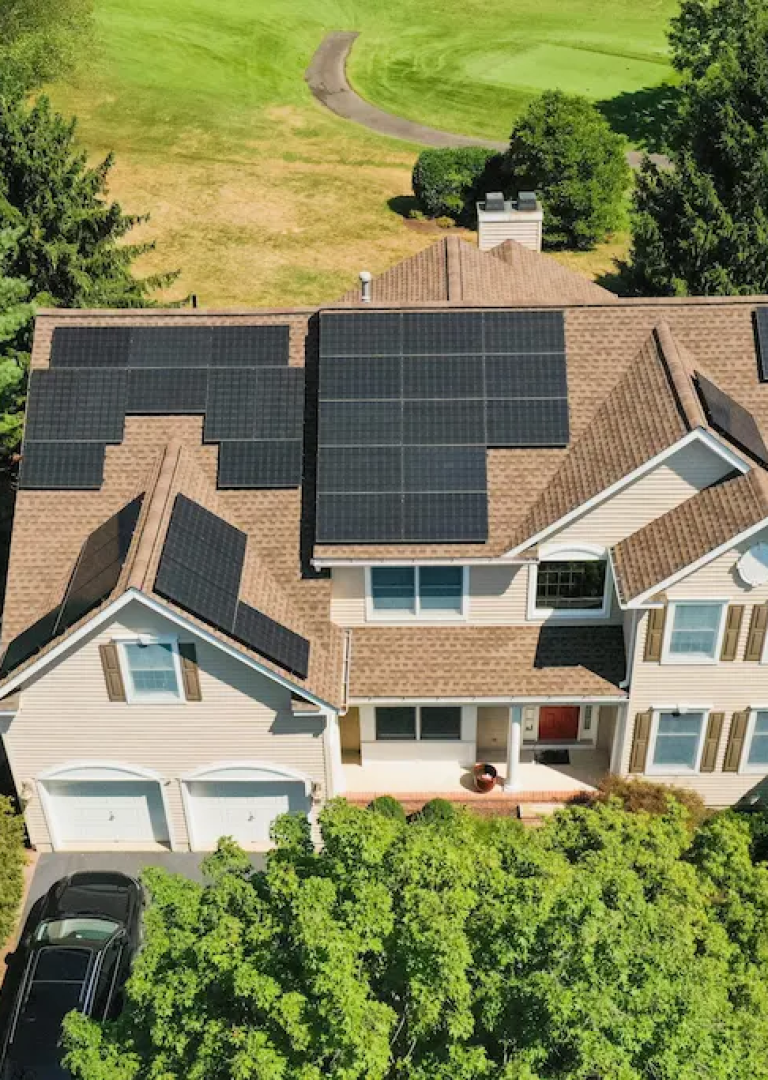
Solar panel system installation project in Kingston Ontario,
Manufacturer: Longi 405 W All Black Premium Module
Inverter: SolarEdge 10KW P500 Optimizers
Number of Panels: 34
Kilowatts: 13.39
Installation Date: September 30, 2019
Time to Install: 2 days
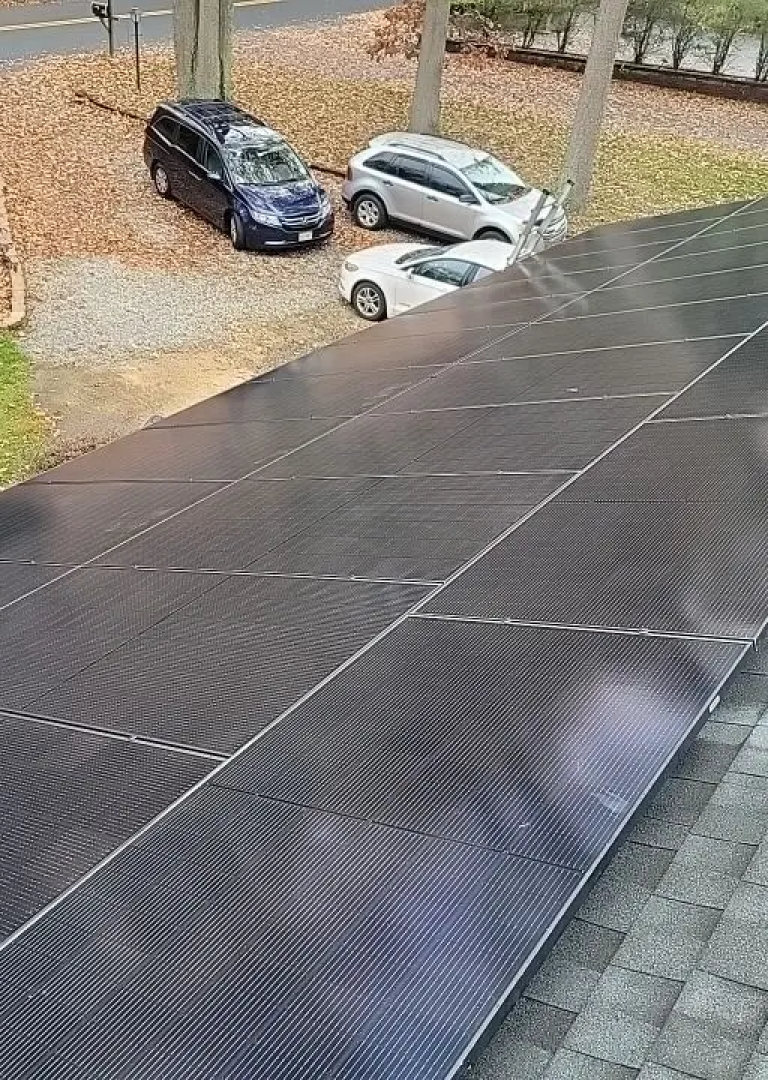
In Kingston, Ontario, a state-of-the-art solar panel system was installed, showcasing the commitment to renewable energy. The system, manufactured by Longi, features 34 all-black premium panels with a total capacity of 13.39kW. Installed on September 30, 2019, the project was completed in just 2 days. Solar panels not only offer savings on energy costs but also enhance the value of homes in Ontario. Kingston homeowners recognize the dual benefits of reduced utility bills and increased property value. Additionally, solar panels require minimal maintenance post-installation and come with warranties extending up to 25 years. The aesthetics of modern solar panels are designed to blend seamlessly with home exteriors, offering both functionality and visual appeal. Investing in solar energy also opens doors to government incentives, including rebates, making the transition to solar power both eco-friendly and cost-effective.
Solar panel instalation project wasaga beach, ontario
Manufacturer: Canadian solar 385W
Number of Panels: 54
Kilowatts: 20.79kW
Installation Date: 06/30/23
In Wasaga Beach, Ontario, the Peterson family has significantly reduced their monthly electric bills with their sleek all-black solar panel system from Canadian Solar. This powerful system, consisting of 54 panels and boasting a capacity of 20.79kW, was installed on 06/30/23. Solar panels in Wasaga Beach not only lead to substantial savings but also increase the home’s market value, appealing to eco-conscious buyers. With the net metering program through JCP&L, excess electricity generated by solar panels is credited back to homeowners. Furthermore, solar systems, with warranties ranging from 10-25 years, are a testament to durability and consistent energy production and ensuring they can install solar panels without any restrictions from Hydro and by adopting solar energy, homeowners contribute to a cleaner environment, reducing carbon emissions and fostering a sustainable future.
Government Incentives!
The Solar capacity in certain areas is limited and will require a greater cost to connect to the grid in the future. Less than 5% of people will be allowed to connect to the grid given the current state of our infrastructure.
Secure your solar spot on the grid now and save on high connection costs before it is too late.
Federal Green Homes Program
Canadian homeowners may be eligible for grants up to $5,000 for the purchase and installation of energy efficiency home upgrades. You must be eligible for an EnerGuide home evaluation to access rebates on insulation, window and door replacements, and more
Pace-program
Ottawa ON
The city of Ottawa is piloting a loan program for up to three years for home energy efficiency retrofits which includes solar panels. This program is designed to support local residents to reduce energy consumption and greenhouse gas emissions. This program offers zero-interest, 20-year loans of up to $125,000 (or 10% of the current value assessment of the home, whichever is less) to cover the cost of going solar. With zero interest, 20-year loans that are tied to the property, not the individual, the Better Homes Ottawa Loan Program makes it easier and more affordable for homeowners to invest in going solar. The minimum loan amount that can be issued to an applicant is $15,000.
Guelph ON
PACE Atlantic is working with both the City of Guelph and Our Energy Guelph to roll out a PACE program in the Spring of 2022. PACE provides up to $40,000 in interest-free loans to help assist with the investment capital required to go solar. Details are still being finalized, but when this offer does become available, it will make Guelph one of the most affordable cities in Ontario to go solar.

Electricity prices are going up in Ontario
Most homeowners have felt the increased electricity prices on their monthly utility bills.
Many utility companies in Ontario, including Hydro One, Alectra Utilities, Elexicon Energy, Hydro Ottawa and Toronto Hydro, have increased their electricity rates in an attempt to recover the costs of snow storms and the inflated gas prices that we witnessed in 2022.
The majority of public electricity in Ontario is produced from gas. When gas prices go up as they did in 2022, it is inevitable that this will affect the price of electricity.
Likewise, snow storms and natural disasters took a toll on the electric grid, and utility companies are retro-charging their customers to recoup the expense linked to snow storms.
Most utility companies are spreading the costs across their customers in monthly installments and over several months, but homeowners and business owners are seeing significant increases in their electricity bills. In general terms, electricity prices are going up from 9.0 cents kwh to up to 17.5 cents kwh and more increases are forecast.
Electricity prices are unlikely to go down considerably in the future. Homeowners are looking into ways to minimize their monthly electricity bill and that’s where solar panels can really help.
Solar panels produce electricity on your roof so that you don’t have to buy it from your electricity company. Since solar power is free, renewable, and endless, solar panels are the perfect way forward for energy independence and lower electricity prices for your home and business.
How to Minimize the Impact of the Electric Bill Increase in Ontario
As Ontario residents are bracing for consistently higher electricity bills, they are looking into their options. Solar panels are an easy, affordable, and reliable solution for electricity production.
Switching to renewable energy
When you install solar panels on your roof, you harness the power of the sun. Thanks to the inverters that are included in the solar panel system, this energy is turned into electricity and powers your whole house. Instead of buying electricity from your utility company, you are producing it on your own.
What’s more, with net metering you can sell the excess energy you produce to your utility company. During the day, when the sun is shining bright, the solar panels work at their maximum. If your home can’t consume all the electricity that’s produced, this electricity can be directed to the grid. Net metering calculates how much electricity you are returning to the grid. Based on these calculations, you will be reimbursed for the excess energy your roof produced.
When your solar panels lie idle during the night, you have to get your electricity from your utility company. Through net metering, though, the electricity you purchase is offset by the electricity you sell back to the grid. The final sum is what you pay, if anything, to your electricity company.
Thanks to the federal solar incentive.
Up to $5,000 to help homeowners make energy efficient retrofits to their homes, such as solar panel installation, windows and doors replacements and ect. . any installation bigger than 5kW (12-14 solar panels, depending on their size).
This grant is limited to 700,000 applications.
In addition, EnerGuide evaluations and expert advice to homeowners are included in order to obtain assistance in planning their retrofits.
Up to $5,000 to help homeowners make energy efficient retrofits to their homes, such as solar panel installation, heat pump, windows and doors replacements and etc… and installation bigger than 5KW or more depending on their size.
This Grant is Limited to 700000 Application
In addition, EnerGuide evaluations and expert advice to homeowners are included in order to obtain assistance in planning their retrofits.
In addition, EnerGuide evaluations and expert advice to homeowners are included in order to obtain assistance in planning their retrofits.THIS GRANT IS LIMITED TO 700,000 APPLICATIONS.
Discover Your Solar Potential

Free Solar Assessment
30 min
A solar specialist will call you at your chosen time. Using satellite, we will determine your home's eligibility into the solar program & discuss your energy needs. Once complete, we will have the information needed to prepare a custom quote for you.
Phone No:
1800-265-0004 (Tool Free)
info@solarn.ca
Montreal Address
3685 Boulevard Industriel, Montréal-Nord, Montreal, QC H1H 2Y7, Canada
Toronto Address
88 Queens Quay West, Toronto, ON M5J 0B6, Canada
Unleashing Solar Power
with Government Support
Ontario’s commitment to a greener future is evident through various government incentives aimed at encouraging homeowners to adopt solar energy. These initiatives not only make installing solar panels more affordable but also promote energy efficiency and sustainability. With limited grid connectivity available in the future, now is the prime time to secure your spot, harnessing the sun’s energy and enjoying significant savings on electricity bills.
Key Incentives
Federal Green Homes Program
Canadian homeowners have the opportunity to avail themselves of grants up to $5,000 to facilitate the purchase and installation of energy-efficient upgrades, including solar panels. This initiative is designed to bolster energy conservation efforts across the nation.
Upcoming PACE Program in Guelph
Guelph residents can look forward to an interest-free loan offering of up to $40,000, set to make the city one of the most affordable places in Ontario to transition to solar energy.
PACE Program in Ottawa
This pioneering program offers zero-interest, 20-year loans of up to $125,000 to cover the costs of energy efficiency retrofits, marking a significant stride towards a sustainable living environment in Ottawa.
Highlighted Features
Affordability
Generous grants and interest-free loans make solar installation highly affordable.
Accessibility
Long-term, zero-interest loans tied to the property, not individuals, enhancing accessibility.
Sustainability
Promotes the reduction of greenhouse gas emissions and energy consumption.